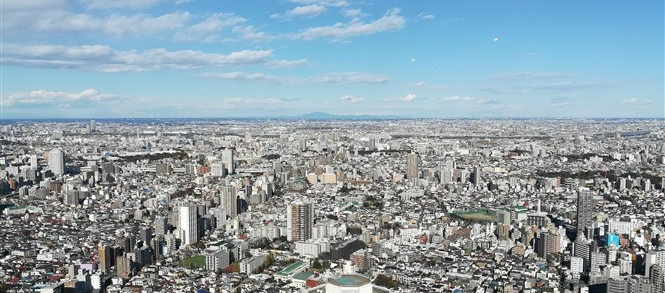
In almost all Japanese towns and cities (including Tokyo), streets do not have names, and homes and buildings do not have street numbers.
If you have identified a particular place (hotel/gallery/shop/restaurant etc) that you plan to go to, there is most probably a website (hopefully in English) which will give you the address. (Actually, there is most a likely a map on the website as well).
But the Japanese address will look nothing like an address you are used to – the most important part of the address is a series of numbers which are not the zipcode/postcode but actually are the location of the place.
And the trick is that the numbers identify the local area (that’s right – it’s a number, not a name), and then the block number (yes, each ‘block’ surrounded by four streets has a number), and then the number of the building on that block (so a block with 17 buildings on it will have buildings numbered from 1 to 17). So you see, street names don’t come into the picture (and so streets don’t have names) and to find a particular building, you have to walk around the whole city block looking for numbers.
For a more detailed explanation of that Japanese addressing system, as well as an explanation of the slightly different systems in Kyoto and Sapporo, search Google or Wikipedia for “Japanese addressing system”.
The good news for us tourists is that Google Maps understands Japanese addresses – just copy and paste the Japanese address (from the website) into Google Maps, and you will be shown the exact location of the place you are looking for. Save that map screen-shot or print it out and take it with you. Maybe make sure it includes the nearest train or subway station if that’s how you will be getting there.


 Japan Tourist Tips